

“We have the opportunity to create a new future and generational change.”
— Ann Hwang, MD, President
What We Fund
Our Grant-making Philosophy:
We are living in a time of heightened awareness and concern for health inequities. This presents a window of opportunity to think creatively about partnering with others to address these pervasive, persistent and harmful challenges. The urgency of the moment calls for us to commit all of our resources now towards fundamental change.
We plan to focus our funding in large-scale grants, using deep investments and a place-based approach, to demonstrate meaningful progress in a few targeted communities. We respect community wisdom and leadership, and we are engaging communities as we develop and refine our grant-making approach.
We recognize that the sustainability of our efforts will depend on strengthening capacity in these communities to achieve systemic and policy change. We seek to collaborate with private and public funders to support comprehensive and enduring transformation.
Grant Opportunities:
We provide information through our email distribution list and on our website about funding opportunities as they become available.
We do not accept applications from for-profit institutions or individuals and families. We do not fund events or sponsorships, political campaigns, or research projects. We focus our funding on organizations that are headquartered in and serve a community of Eastern Massachusetts.


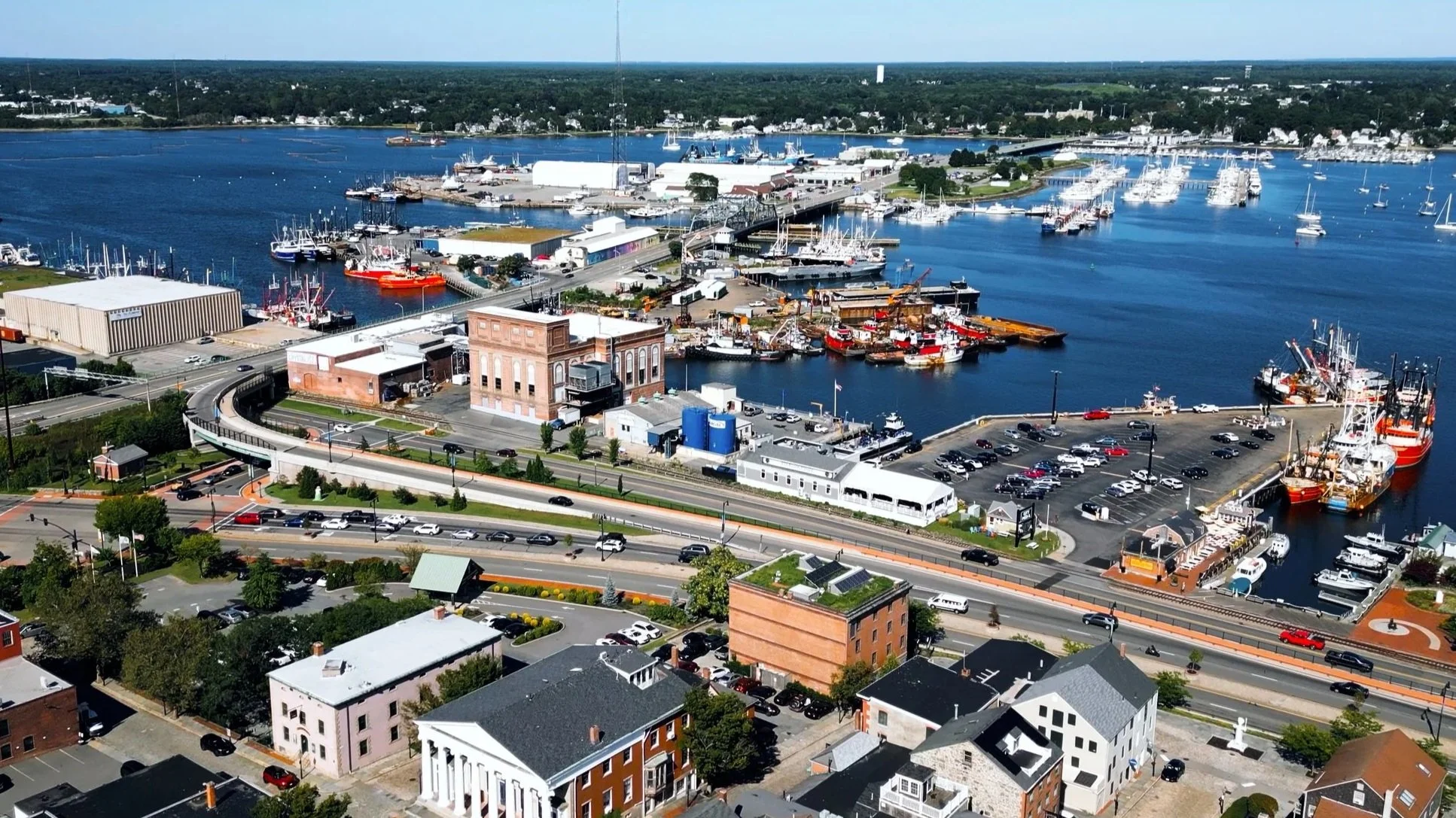
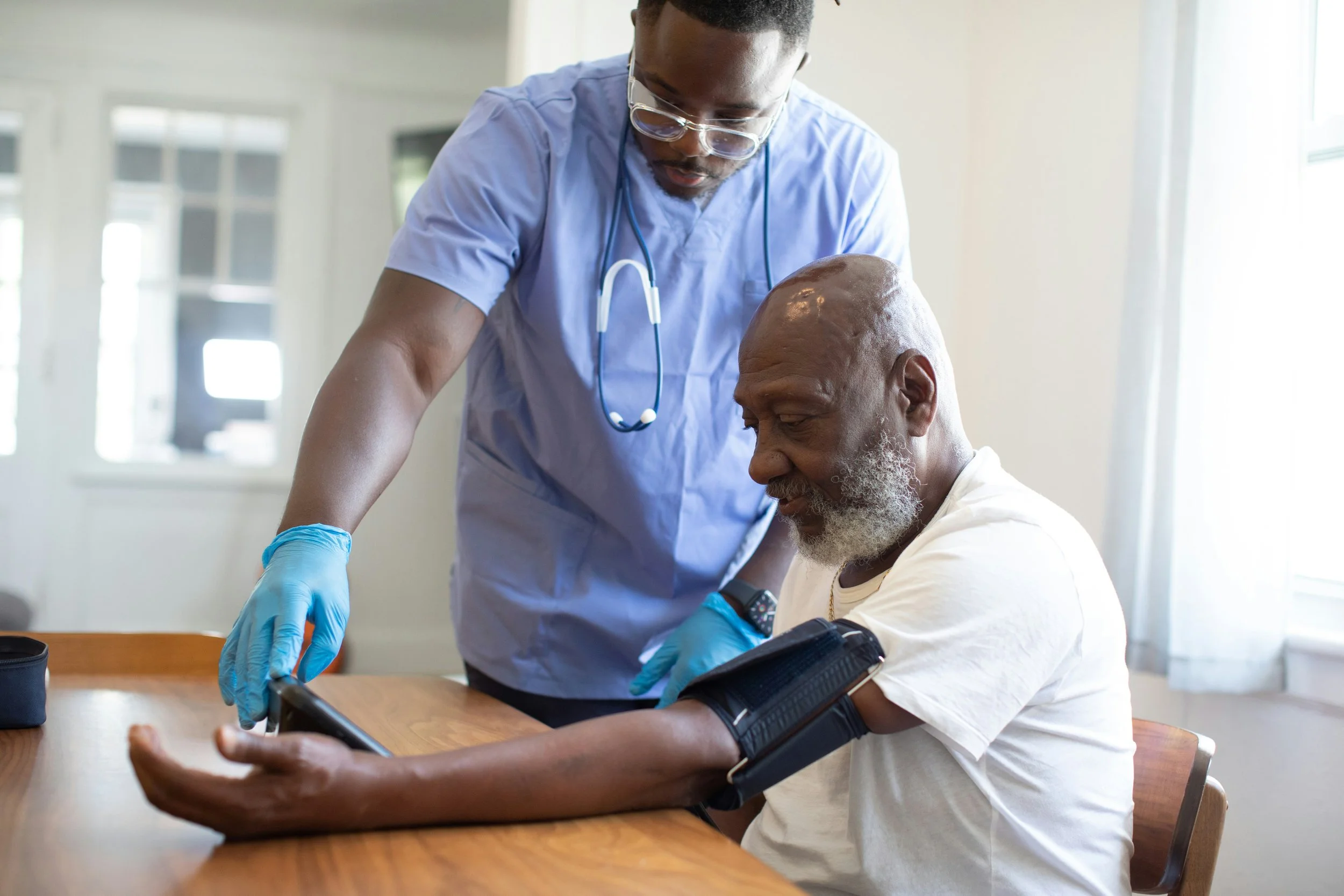

What did we learn from our community engagement listening sessions?
To learn more, read our report: “Closing the Life Expectancy Gap in Eastern Massachusetts: Insights from Community Engagement.” (November 2023).
We support the principle of “nothing about us without us.” We believe that people living and working within communities best understand what is needed to strengthen and grow.
From our community engagement process, we hope to:
Gather input on important considerations for working within select communities and recommendations for future engagement.
Identify key drivers of health in select communities that could potentially improve life expectancy. This could include a better understanding of key sectors (economic opportunity, housing, education, etc.), key activities (direct service, community organizing, policy change, etc.), key health conditions, and innovative ideas that are ready to be scaled.
Better understand what is needed to achieve transformational change in select communities to inform our investments.
FAQs
-
We are a non-profit, philanthropic organization based in Eastern Massachusetts. In June 2022, the Atrius Health Equity Foundation was funded by the conversion of Atrius Health into a for-profit corporation. We operate independently of Atrius Health and are governed by a Board with extensive experience in health care, government, and public health.
-
We aim to close the gap in life expectancy across neighborhoods in Eastern Massachusetts. We plan to make large-scale strategic investments in neighborhoods to turn the tide on the health conditions that cut short too many lives. We anticipate that these initiatives could potentially be led by trusted, community-based organizations and community-based primary care providers such as community health centers and would encompass the upstream causes of poor health.
-
We are based in Eastern Massachusetts, and our focus on Eastern Massachusetts is consistent with the terms of the agreement that funded the Foundation.
-
We consider Eastern Massachusetts to be comprised of the following counties: Essex, Middlesex, Norfolk, Suffolk, Plymouth, Bristol, Barnstable, Dukes & Nantucket.
-
Ann Hwang, MD has been appointed as our president. With a background that spans both practice as a primary care physician and multiple stints in government and non-profits focused on health policy and advocacy, Ann’s experience ties directly to our focus on fostering strong community-led innovations to address health disparities.
-
To meet the urgency of addressing health inequities, we expect to being making major grants in 2024 and to expend the bulk of its funding by 2030. In total, the Foundation expects to grant about $150M over its lifetime.
-
The Foundation makes investments through invited and open calls for proposals. When available, we share grant opportunities on our website and through our mailing list.
Interested parties should email us at info@atriusfoundation.org to be added to our mailing list.
-
We aim to address the root causes of poor health stemming from inequity and poverty, making concentrated investments in communities in Eastern Massachusetts with the lowest life expectancies. In collaboration with community-based organizations and health providers, we hope to support holistic solutions that encompass education, employment, economic mobility, and other structural factors, striving to build vibrant, healthy, and equitable communities for everyone.
-
Given our small staff and our desire to be fair to organizations located throughout our service area, we do not do site visits of prospective grantee organizations. However, we welcome the opportunity to meet prospective grantee organizations in a virtual meeting. These meetings help us understand your work and the landscape of health equity in Eastern Massachusetts. We hope these meetings will also be helpful for you to understand the Foundation’s values and priorities. We prioritize meetings with community-based organizations that are headquartered in Eastern Massachusetts, and that are working to address health-equity from a systems-based perspective. Virtual meetings are typically 25 minutes. To request a meeting, please email info@atriusfoundation.org.